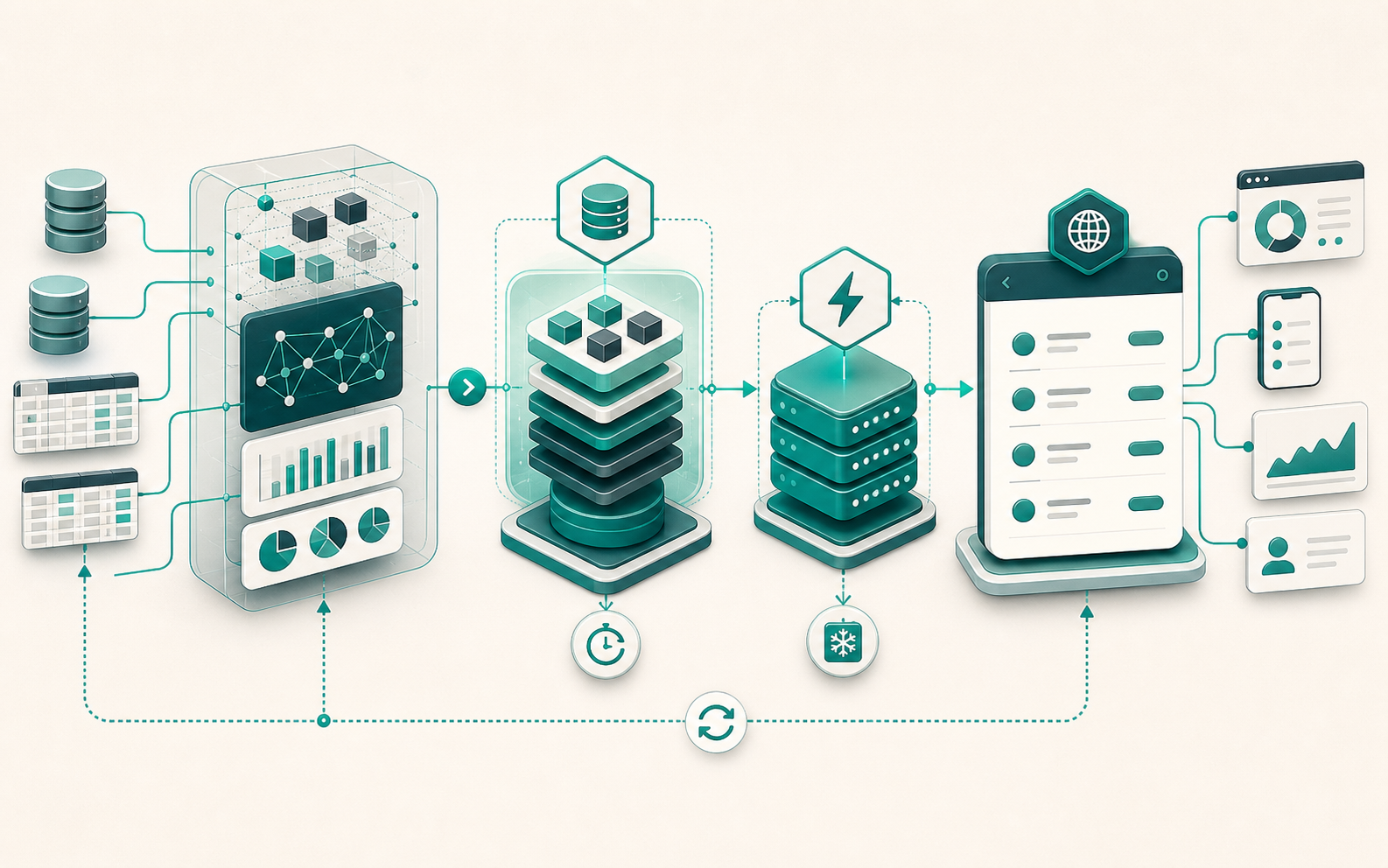
Materialized views vs Django cache for slow queries

Materialized views vs Django cache for slow queries

The instinctive response to a slow reporting endpoint is often cache. A @cache_page, a cache.set(), and the problem seems to vanish until the next expiration. This approach has a structural limitation that PostgreSQL materialized views solve at the root. The problem with cache on analytics endpoints Django cache stores the result of a Python view. The expensive SQL query still runs on every cache expiration. For a report built on multiple JOINs and aggregations, this means the first user after each cache miss waits several seconds. ...

May 13, 2026 · 4 min · Anthony
Django select_for_update(): row-level locking for concurrent transactions

Django select_for_update(): row-level locking for concurrent transactions

Two concurrent requests read a product’s stock, both see one unit remaining, and both confirm the order. Stock drops to -1. This kind of race condition is nearly impossible to reproduce in development and devastating in production. select_for_update() is Django’s answer: acquire a SQL lock at read time so no other transaction can modify the row before the current operation finishes. What select_for_update() does in SQL select_for_update() generates a SELECT ... FOR UPDATE. The lock is acquired as soon as the queryset is evaluated and held until the end of the transaction.atomic() block. Any other transaction that tries to acquire a lock on the same rows is blocked until the lock is released. ...

May 6, 2026 · 4 min · Anthony

Newsletter

Get new articles delivered straight to your inbox.

No spam. Unsubscribe in one click.