Best practices, tips and tricks around Python, Django, Django REST Framework, FastAPI and Flask. TDD, SOLID and DDD approaches for building solid backend APIs.
Anthony.D
Python Developer · Django · FastAPI · Flask · Freelance
Python Developer · Django · FastAPI · Flask · Freelance
Best practices, tips and tricks around Python, Django, Django REST Framework, FastAPI and Flask. TDD, SOLID and DDD approaches for building solid backend APIs.
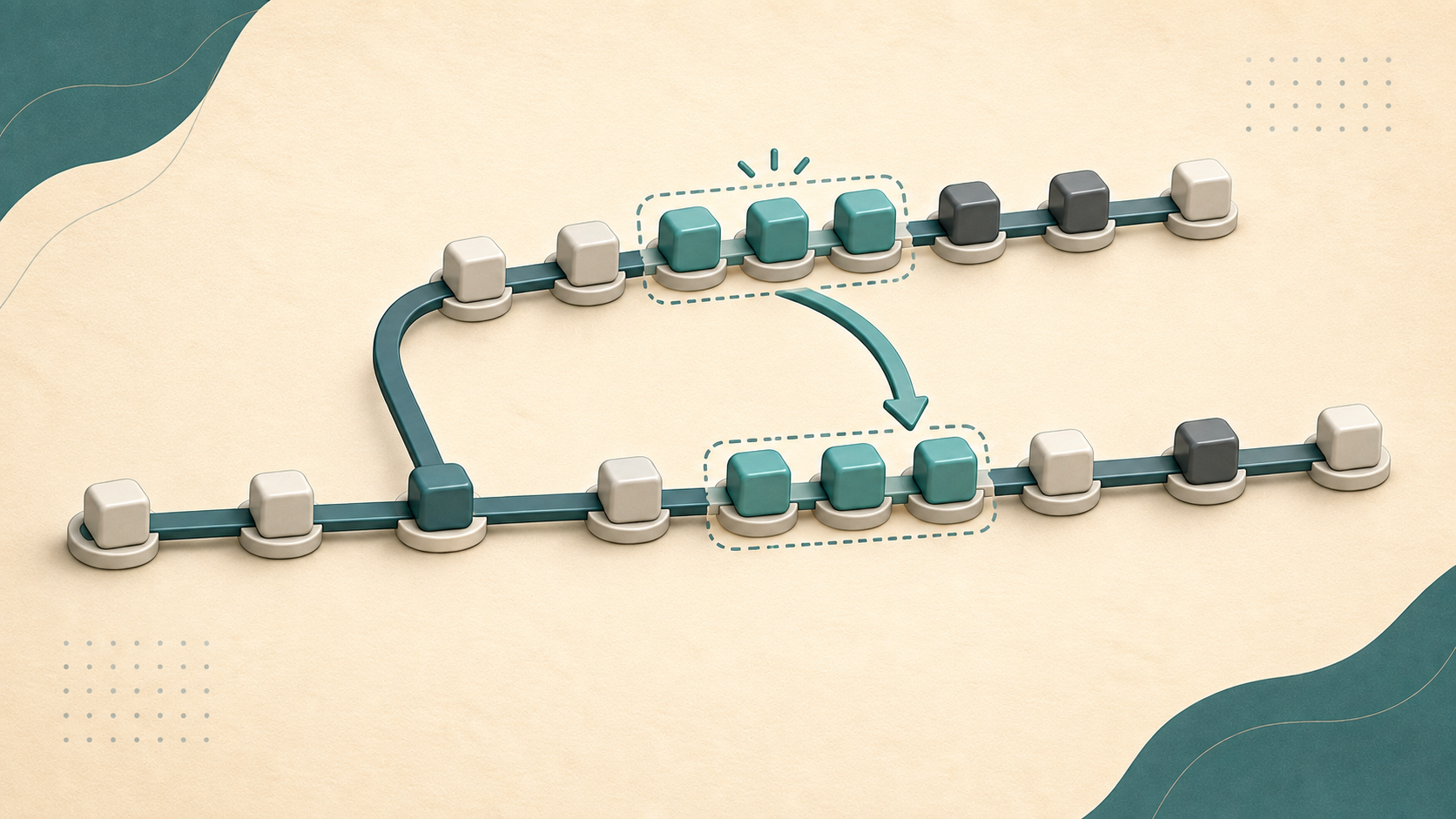
git rebase --onto looks like a complicated variation of git rebase. I avoided it for a long time for that reason. Yet this option answers a very specific question: how do you move only part of a branch to a new base without bringing along the commits below it? This happens when a branch was created from the wrong branch, a branch stack needs to be reorganized, or a few useful commits are trapped in the middle of a history. A standard rebase chooses what to replay implicitly. With --onto, you explicitly define the new base, the boundary of the commits to exclude, and the branch to move. ...
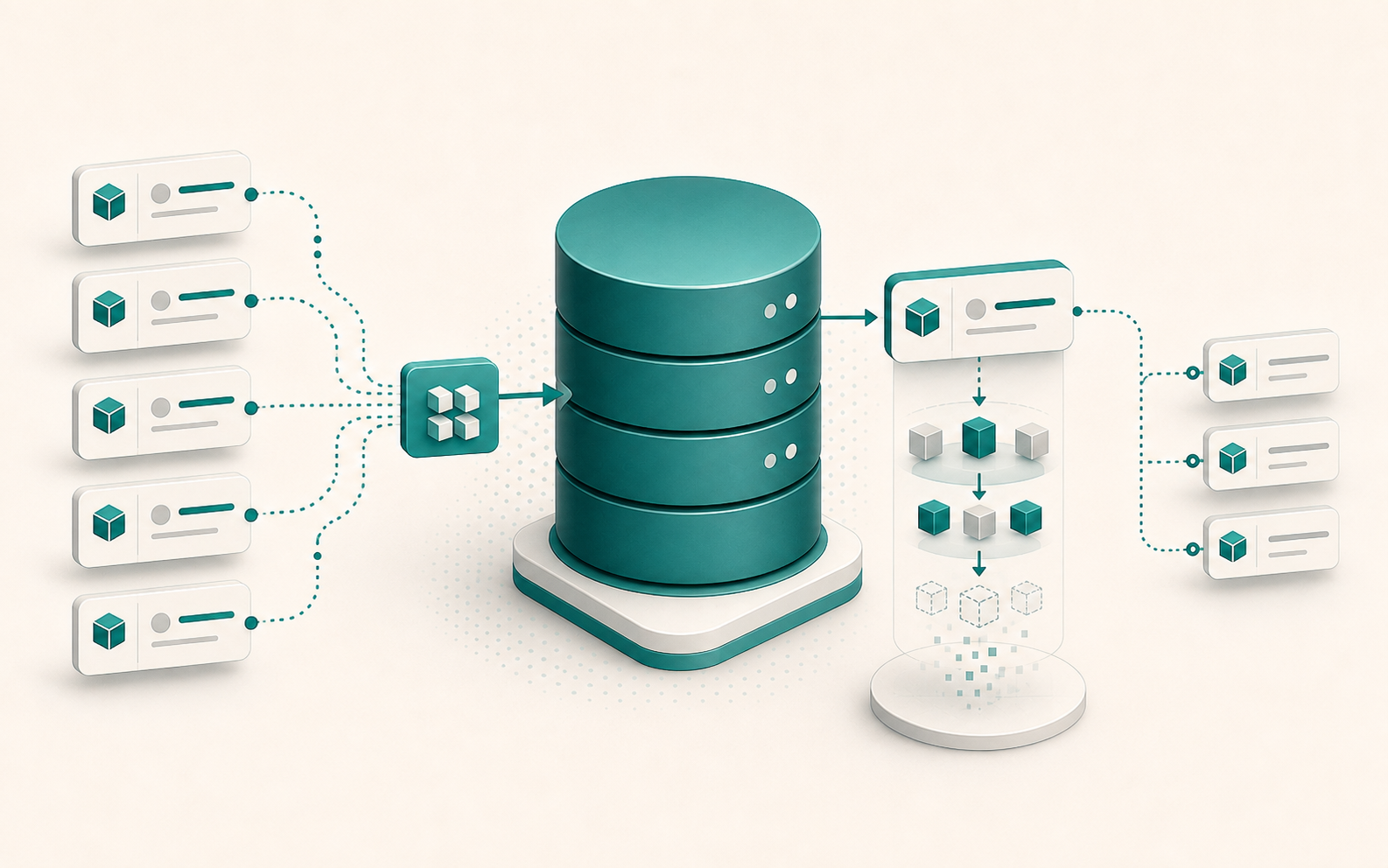
Django 6.1 adds two ORM changes with a shared goal: let the database do useful work without making the application opaque. Fetch modes change what happens when a field is loaded on demand. DB_CASCADE moves a cascade delete from Python to an SQL constraint. Both can remove a great deal of work, but enabling them without examining their side effects is risky. The Django 6.1 release notes frame these APIs as optimizations. In practice, they change where the work happens. That is the key point to understand before upgrading. ...
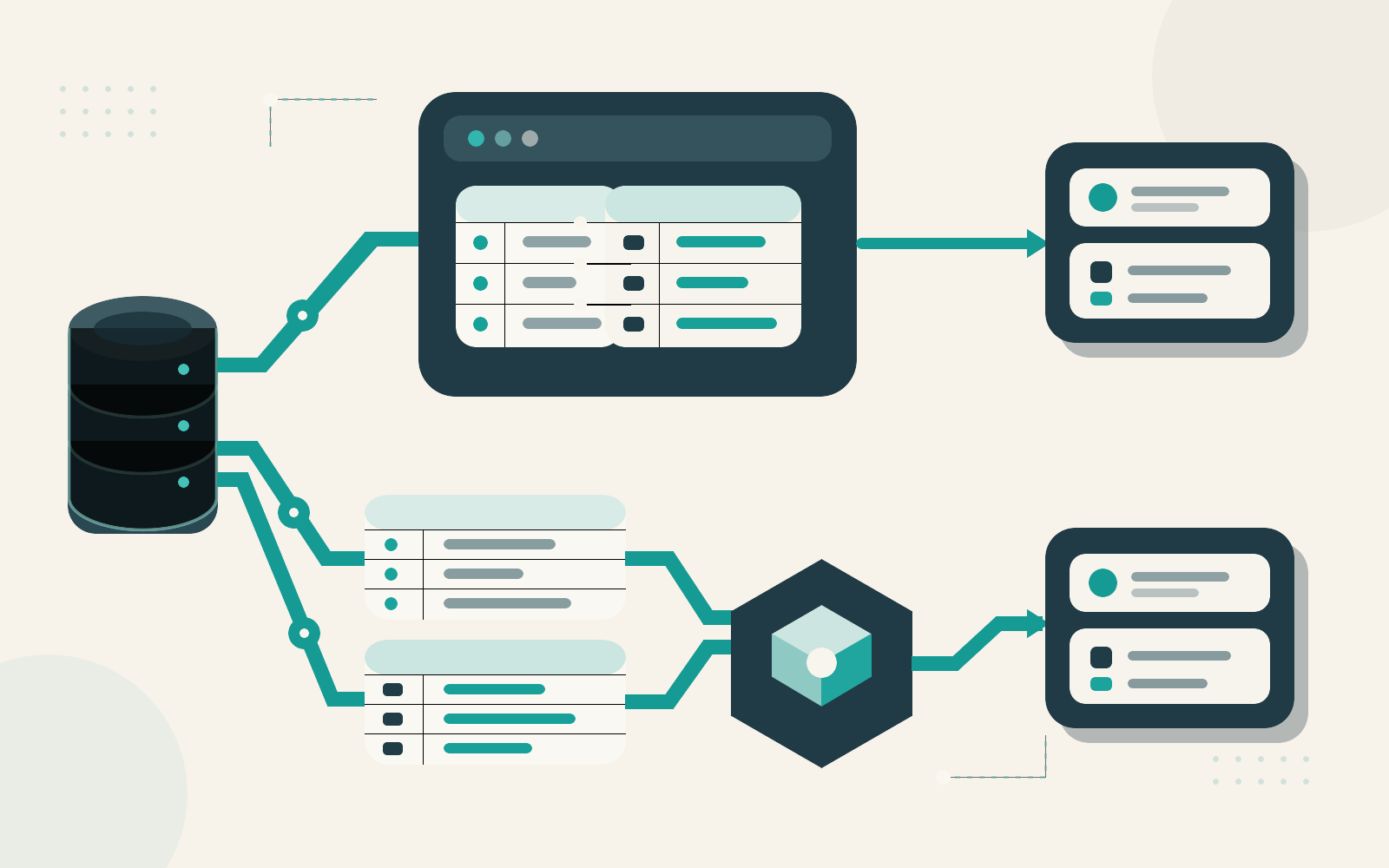
Django select_related() or prefetch_related()? Both methods eliminate N+1 queries in Django, but they produce very different SQL. The first adds a join to the main query. The second runs multiple queries, then connects the objects in Python. The right choice depends less on data volume than on the type of relationship being traversed. To understand why, let’s start with a deliberately simple model: from django.conf import settings from django.db import models class Post(models.Model): title = models.CharField(max_length=200) author = models.ForeignKey( settings.AUTH_USER_MODEL, on_delete=models.CASCADE, related_name="posts", ) tags = models.ManyToManyField("Tag", related_name="posts") class Comment(models.Model): post = models.ForeignKey( Post, on_delete=models.CASCADE, related_name="comments", ) body = models.TextField() is_public = models.BooleanField(default=True) author = models.ForeignKey(settings.AUTH_USER_MODEL, on_delete=models.CASCADE) class Tag(models.Model): name = models.CharField(max_length=50) From a Post, author refers to at most one user. By contrast, comments and tags can contain multiple objects. This difference in cardinality almost always determines which method to use. ...
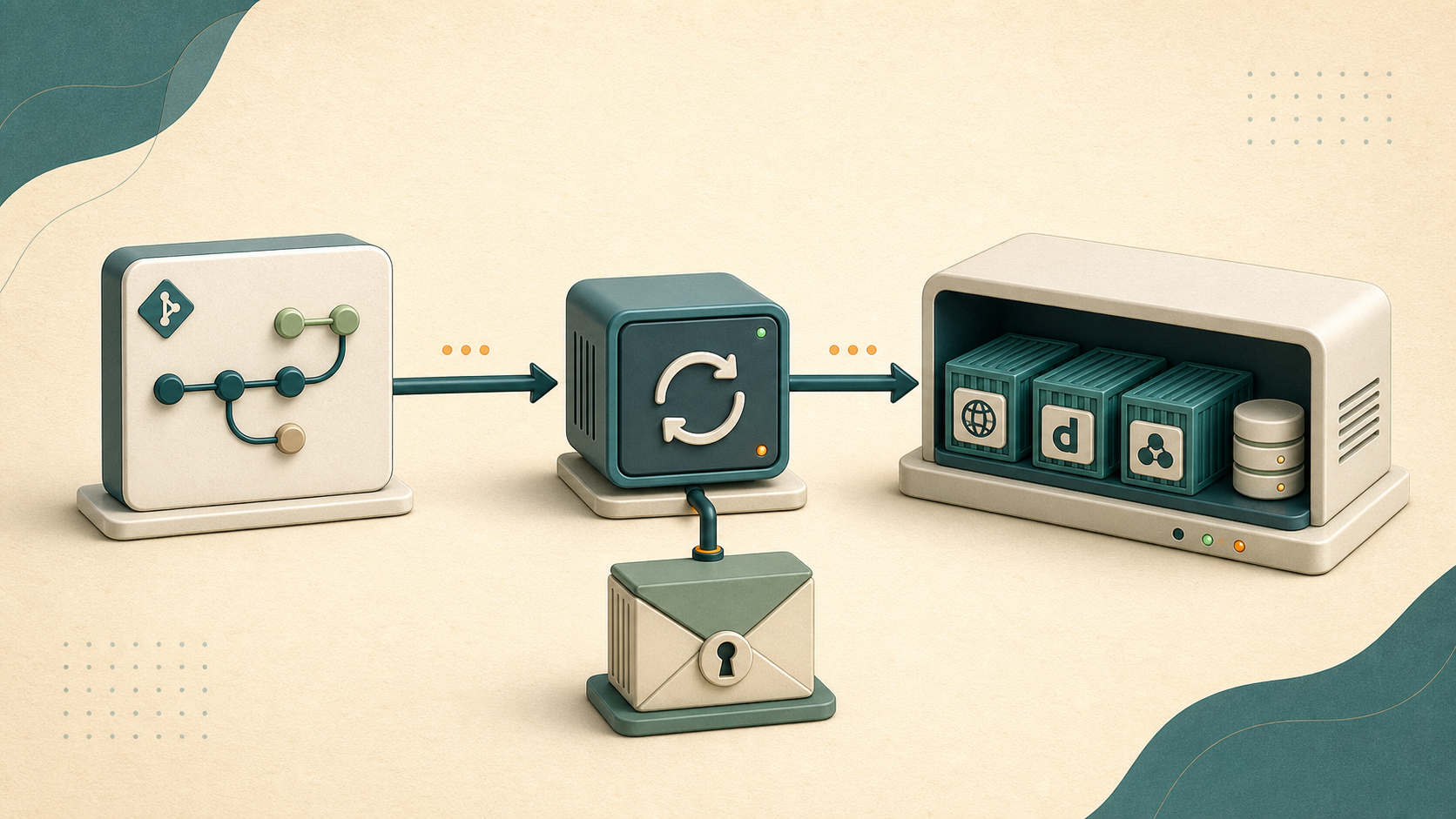
GitOps is almost always presented with Kubernetes in the background: ArgoCD, Flux, manifests by the hundreds. As a result, many teams deploying on a plain VPS with Docker Compose assume the model does not apply to them. They keep deploying over SSH: git pull, docker compose up -d, crossing their fingers that nobody skips a step. That is a shame, because the core of GitOps has nothing to do with Kubernetes. And for some time now, one tool has been filling exactly this gap: doco-cd, a continuous deployment engine for Docker Compose. Combined with SOPS and age to encrypt secrets directly in the repo, you get GitOps without Kubernetes: a complete pipeline where deploying boils down to git push. This article explains the principle, then walks through the setup on a Django project with several compose files. ...
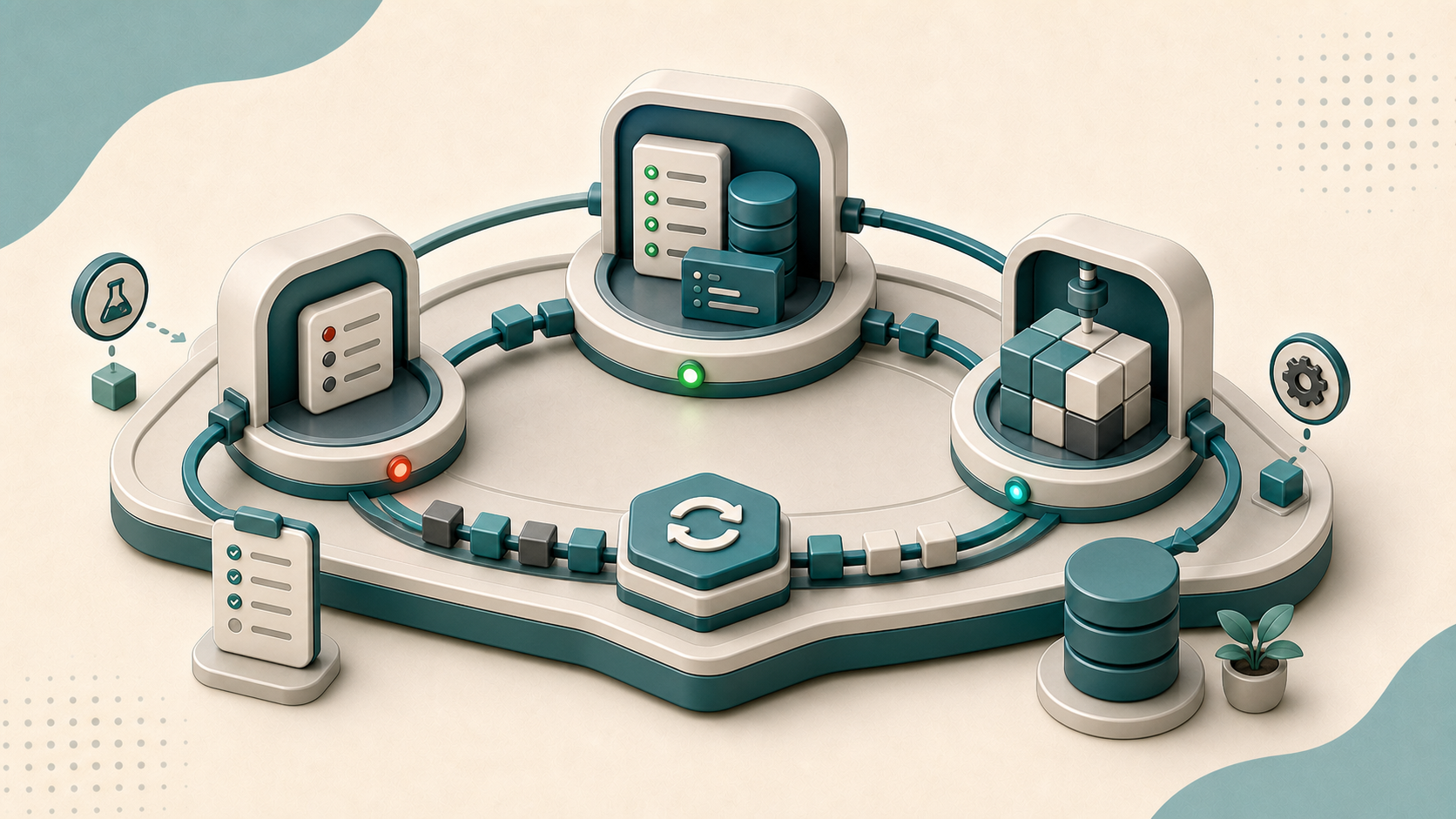
TDD draws two extreme reactions. The first: “I already write tests, so I do TDD.” The second: “writing tests first just reverses the effort without buying much.” Both miss what TDD really is. It is neither a coverage question nor a simple ordering trick. It is a design discipline that forces you to make an intention explicit before writing the code that satisfies it. This article opens a series on TDD. Before comparing the schools (Chicago, London, ATDD double loop, strict TDD), the shared trunk has to be laid down: the Red-Green-Refactor cycle, the practice of baby steps, and the FIRST properties that define a test that deserves the name. The next articles will build on this foundation to make the trade-offs tangible with concrete examples. ...
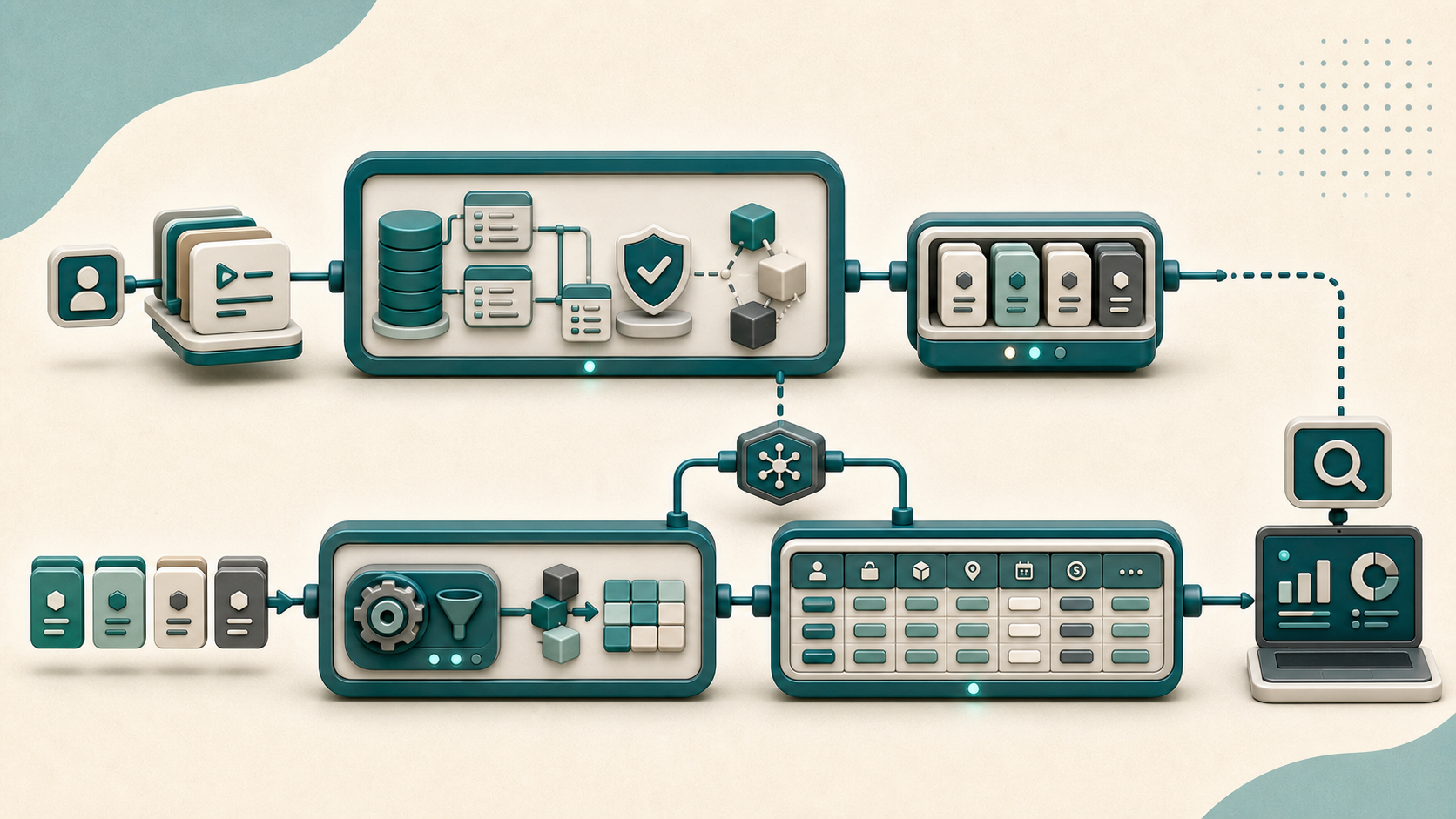
The four previous articles in the series laid the building blocks for a distributed system to stay consistent: Saga to orchestrate workflows, Outbox to publish reliable events, Inbox to consume them without duplicates, Idempotency Keys to protect the API. One question is left: what do you do with events once they are published? The most common answer: you use them to build read views. That is exactly what the CQRS pattern (Command Query Responsibility Segregation) proposes: separate the write model from the read model when both diverge enough that forcing them into a single structure costs more than splitting them. ...
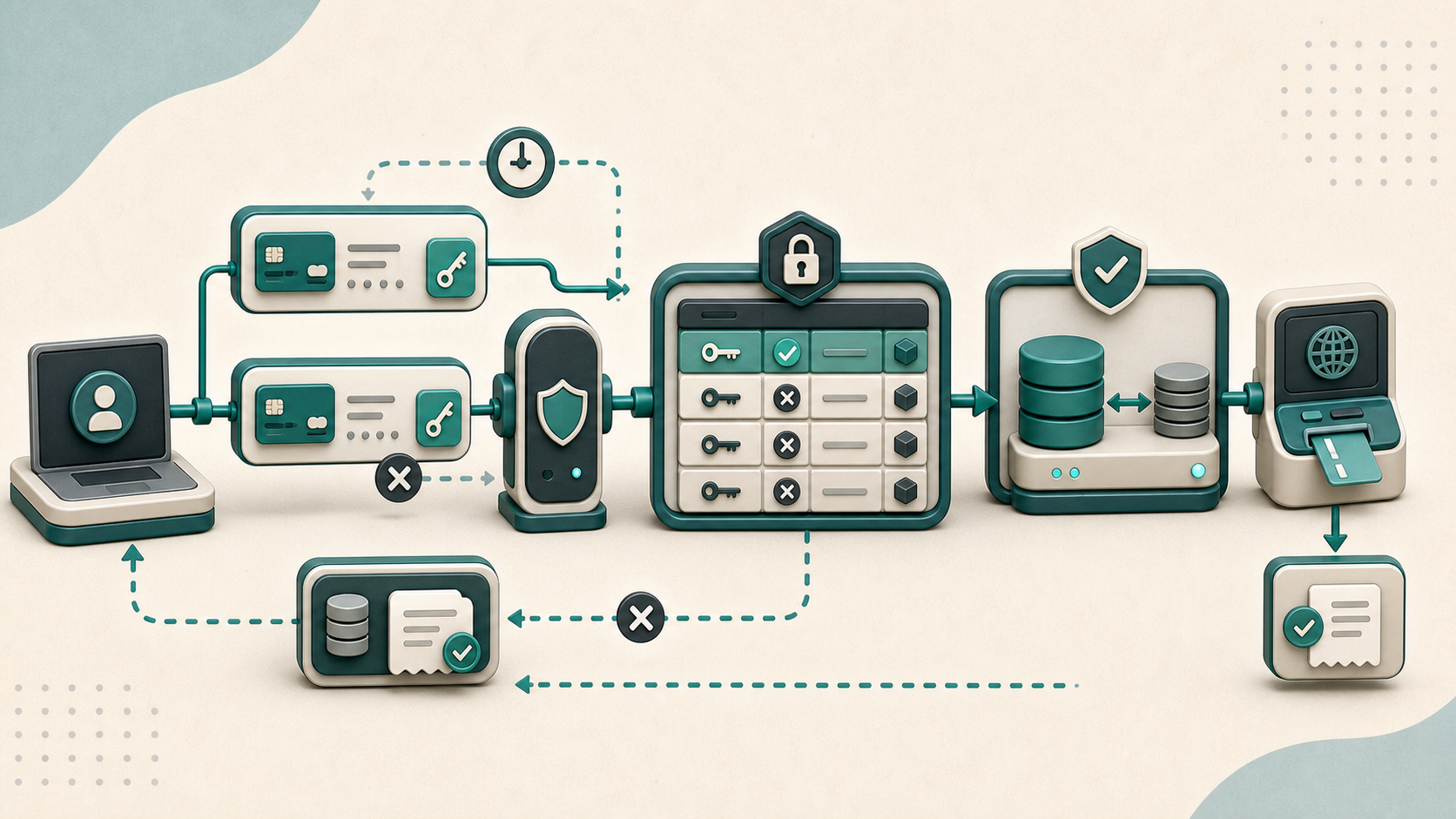
The previous two articles tackled idempotency on the event side: the Outbox pattern guarantees a message is published at least once, and the Inbox pattern guarantees it is consumed only once. One last place where the same problem shows up sits further upstream: the HTTP API itself. When a client fires a POST /api/payments and the connection drops before the response comes back, the client has no way to know whether the payment was created. If it retries, it risks paying twice. If it does not retry, it risks not paying at all. The Idempotency Key pattern, popularized by Stripe and adopted since by most payment APIs, solves that dilemma by putting retry control in the client’s hands. ...
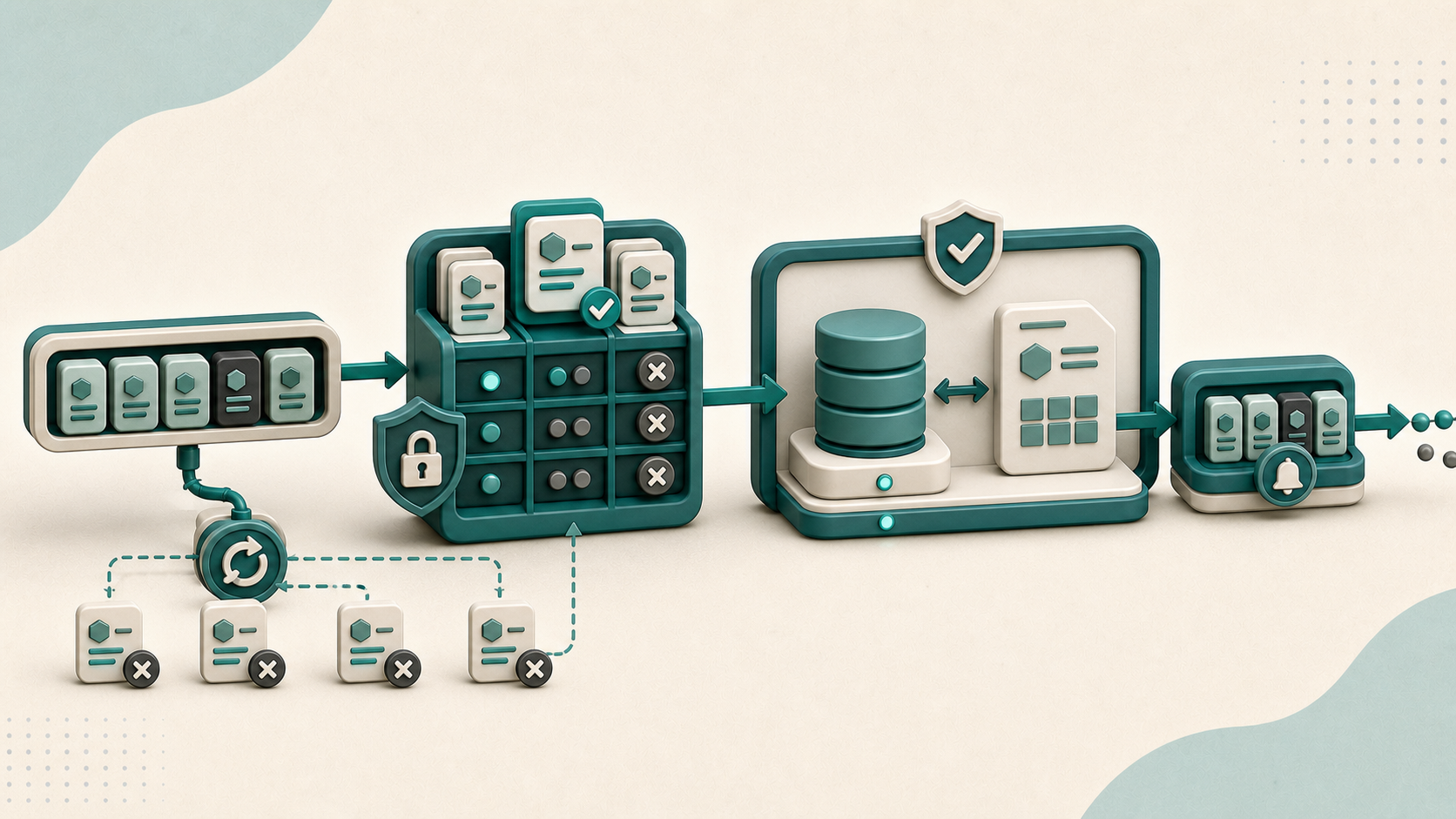
The previous article on the Transactional Outbox set a clear guarantee: every event written to the database will eventually be published. That guarantee is intentionally at-least-once. A consumer may receive the same event two times, three times, or more if the network behaves badly. The Outbox pattern never promises uniqueness. The consequence follows immediately: if the consumer applies the effect of the message twice, it bills twice, sends two emails, decreases stock twice. The consistency guaranteed on the producer side collapses on the reader side. ...
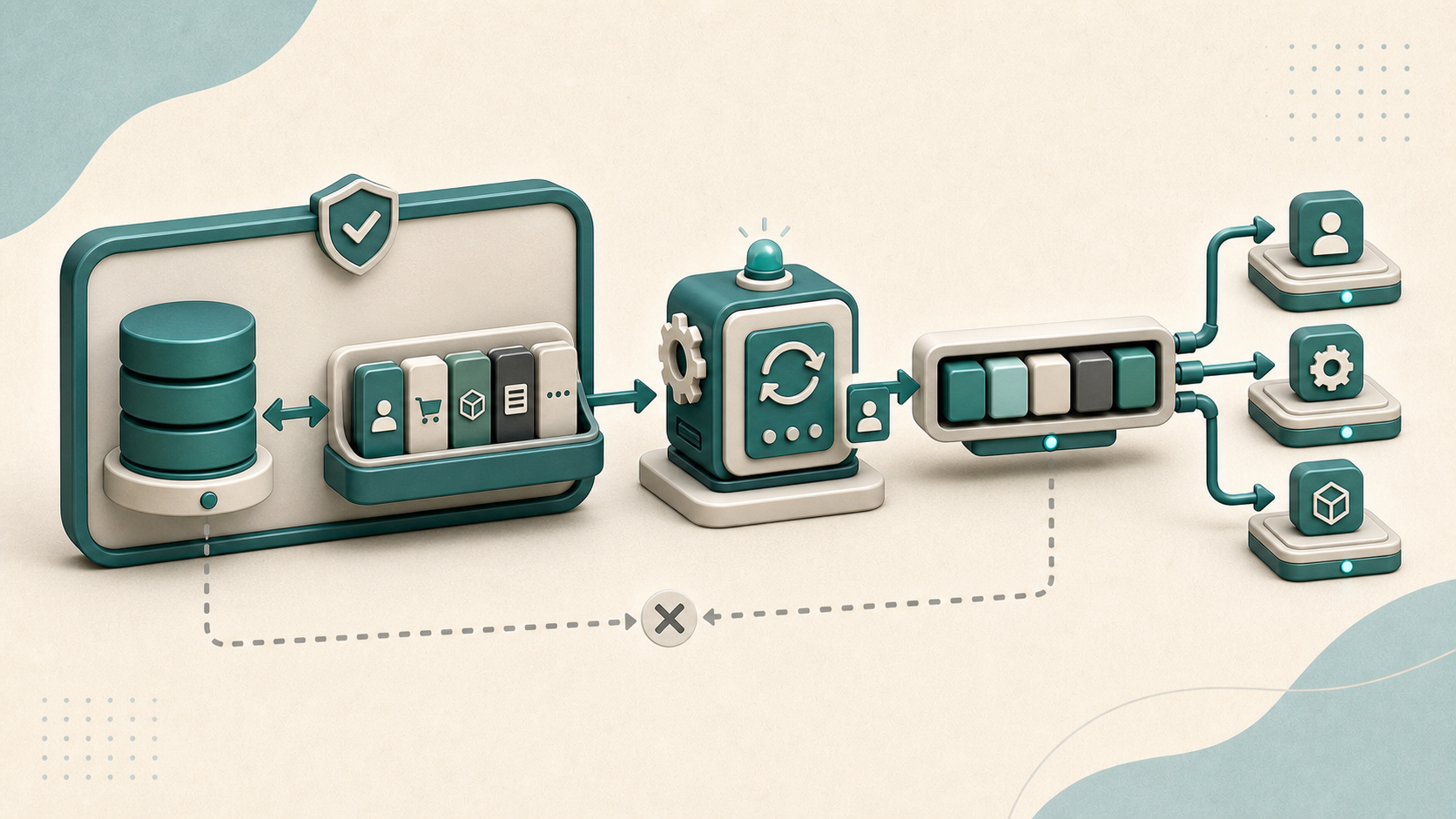
When a service updates its database and wants to notify the rest of the system by emitting an event to Kafka, RabbitMQ or SQS, the naive code looks like this: write to the database, then publish. If publishing fails after the commit, the event is lost. If publishing succeeds but the commit fails, the event refers to a state that does not exist. Both cases define the dual-write problem. The Transactional Outbox pattern fixes that inconsistency with a simple idea: never publish directly. The event is written to an outbox table within the same SQL transaction as the business change. A separate process reads that table and publishes to the broker. As long as the SQL transaction is atomic, the database and the future event are consistent by construction. ...
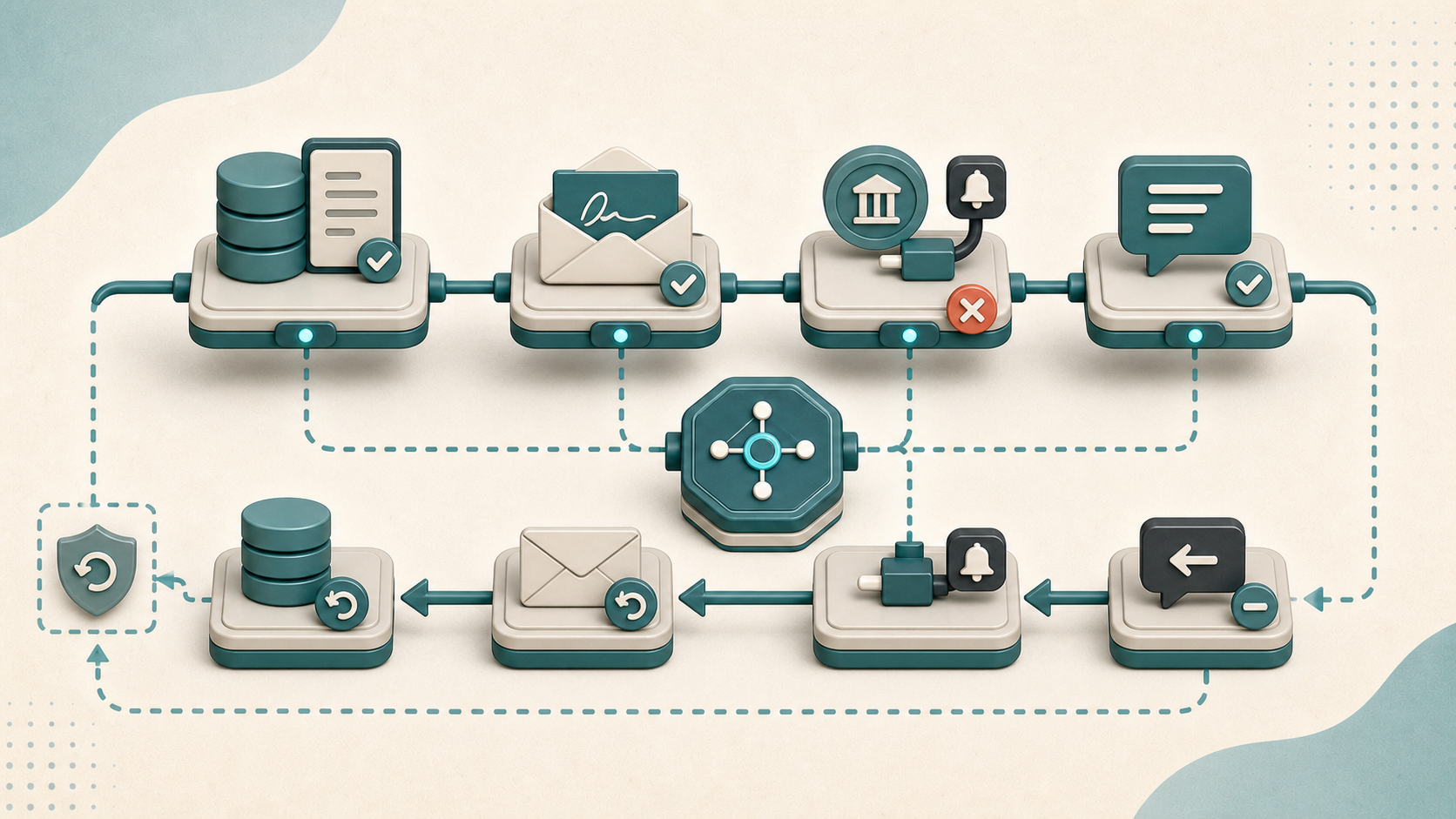
A business operation that spans several services raises a question SQL has been answering for fifty years inside a single database: what happens when one step succeeds and the next one fails? As long as everything lives in the same database, BEGIN ... ROLLBACK is enough. The moment you call an external service, a third-party API or another database, that safety net disappears. The Saga pattern answers that question. Rather than attempting an impossible ACID transaction, it breaks the operation into local steps, each paired with a compensating transaction that knows how to undo its effect. If step 4 fails, the compensations for steps 1, 2 and 3 are replayed in reverse order. ...